
The Duffer Brothers’ latest Netflix venture has stumbled where their global phenomenon Stranger Things soared, critics say who have viewed the new scary show Something Very Bad is Going to Happen. Whilst the brothers are merely serving as executive producers on this eight-episode show—created by Haley Z. Boston—rather than helming it themselves, the series commits a basic narrative mistake that their blockbuster sci-fi drama sidestepped. The problem lies not in the premise, which tracks Rachel and Nicky as a couple as they visit his dysfunctional family for a forest wedding beset by sinister omens, but rather in its narrative pacing and structure, which threatens to lose viewers before the story gains momentum.
A Slow Burn That Requires Patience
The opening episode of Something Very Bad is Going to Happen introduces a authentically eerie premise. Camila Morrone’s Rachel reaches her fiancé’s family residence with escalating anxiety, underscored by a succession of worsening portents: cryptic warnings inscribed upon her wedding invitation, a unexplained child discovered along the road, and an encounter with a sinister individual in a neighbourhood pub. The pilot succeeds in establishing dramatic tension, layering in the familiar unease that comes before a major life event. Yet this early premise becomes the series’ principal shortcoming, as the narrative stalls considerably in the subsequent instalments.
Episodes two and three continue treading the same storytelling territory, with Nicky’s eccentric family behaving increasingly erratically whilst various supernatural hints suggest Rachel’s visions hold merit. The issue develops slowly but grows impossible to ignore: observing the main character suffer through three hours of gaslighting, bullying, and emotional manipulation from her prospective relatives by marriage grows tiresome remarkably quickly. By the time Episode 4 at last shifts to expose the curse’s origins and introduce real pace into the proceedings, a substantial number of the viewers will likely have abandoned ship, exasperated with the protracted setup that was missing adequate resolution or character development to justify its length.
- Sluggish pacing undermines the horror atmosphere created in the pilot
- Repetitive family dysfunction scenes miss story development or depth
- Wait of three episodes until the real storyline reveals itself is excessive
- Audience engagement declines when tension lacks balance with meaningful story advancement
How The Show Got the Recipe Right
The Duffer Brothers’ landmark series displayed a masterclass in episode structure by capturing audiences right away with real consequences and narrative drive. Stranger Things Season 1 Episode 1 set up its premise with impressive economy: a teenage boy vanishes in mysterious fashion, his desperate mother and friends begin investigating, and otherworldly occurrences emerge organically from the narrative rather than feeling artificially inserted. The episode combined atmospheric dread with character depth and narrative advancement, making sure viewers stayed engaged because they truly wished to discover what happened next. Every scene served multiple purposes, propelling the central mystery whilst strengthening our bond to the group of characters.
What set apart Stranger Things from Something Very Bad is Going to Happen was its refusal to delay gratification unnecessarily. Rather than extending one concept across three episodes, the original series drove audiences ahead with revelations, character moments, and narrative turns that warranted sustained engagement. The supernatural threat felt imminent and tangible rather than theoretical, and the show trusted its audience’s intelligence enough to share plot points at a rhythm that preserved attention. This core distinction in storytelling philosophy explains why Stranger Things achieved worldwide success whilst its spiritual successor struggles to maintain engagement during its vital early episodes.
The Power of Immediate Engagement
Compelling horror and drama demand creating clear reasons for audiences to care during the first episode. Stranger Things achieved this by introducing believable protagonists confronting an extraordinary crisis, then delivering enough detail to make audiences hungry for answers. The disappeared child was far more than a plot device; he was a fully developed character whose absence genuinely mattered to those searching for him. This emotional investment turned out to be considerably more effective than any amount of atmospheric tension or ominous foreshadowing could accomplish alone.
Something Very Bad is Going to Happen supposes that marital stress and familial conflict alone will hold attention for three full hours before offering meaningful narrative progression. This miscalculation undervalues how swiftly viewers spot repetitive storytelling patterns and tire of seeing leads experience distress without meaningful progression. The Duffer Brothers understood that pacing transcends simple timing; it’s about valuing viewer engagement and rewarding attention with genuine narrative advancement.
The Curse of Stretching a Story Too Thin
The eight-episode framework of Something Very Bad is Going to Happen presents a core difficulty that the Duffer Brothers’ earlier work managed to navigate with considerably more finesse. By devoting three successive episodes to depicting family dysfunction and pre-nuptial anxiety without significant story development, the series commits a fundamental mistake of modern television: it mistakes atmosphere for depth. Viewers are compelled to endure Rachel suffer through relentless gaslighting and manipulation whilst expecting the narrative to actually begin, a tiresome undertaking that tests even the most forbearing audience viewer’s tolerance for recycled narrative patterns.
Stranger Things never fell into this trap because it understood that horror and drama flourish with momentum. Each episode offered new details, unexpected turns, and character revelations that justified continued investment. The supernatural elements weren’t withheld until Episode 4; they were woven throughout the story structure from the very beginning. This approach changed what could have been a simple missing-person story into a vast puzzle that captivated millions. The contrast between these two approaches illustrates how format can either support narrative or undermine it completely.
| Series | Pacing Strategy |
|---|---|
| Stranger Things (Season 1) | Reveals supernatural threat immediately; introduces mystery elements whilst advancing plot |
| Something Very Bad is Going to Happen | Delays major plot developments until Episode 4; focuses on repetitive family tension |
| Stranger Things (Season 1) | Balances character development with narrative progression across episodes |
| Something Very Bad is Going to Happen | Prioritises atmospheric dread over substantive storytelling advancement |
If Format Turns Into an Issue
The eight-episode structure, once a broadcasting norm, increasingly feels incompatible with current audience behaviours and viewer expectations. Something Very Bad is Going to Happen seems to have been stretched to fit its format rather than grown organically around it. The result is excessive narrative padding where compelling ideas become repetitive and captivating premises become tedious. What would have functioned as a compact four-episode limited series instead becomes an gruelling experience, with viewers compelled to wade through unnecessary scenes of familial conflict before reaching the actual story.
Stranger Things succeeded partly because its creators recognised that pacing goes beyond mere timing—it demonstrates respect for the audience’s intelligence and attention. The show had confidence in viewers to handle intricate narratives and mystery without requiring repeated reassurance through recycled story elements. Something Very Bad is Going to Happen, conversely, seems to underestimate its audience’s patience, assuming that three hours of gaslighting and foreboding alerts constitute sufficient entertainment value. This miscalculation represents a key lesson in how format should support content, never the reverse.
Positive Aspects and Unrealised Potential
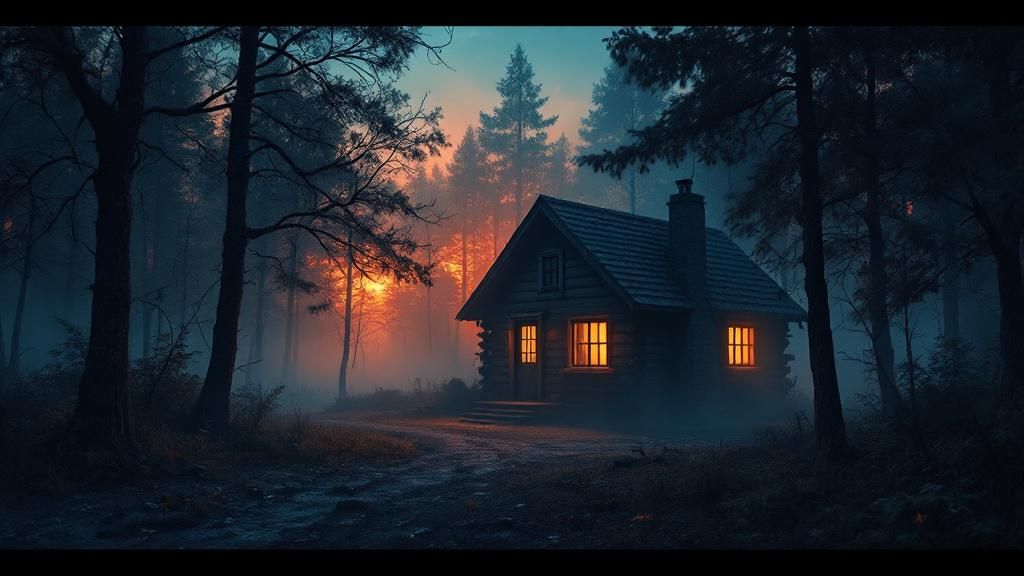
Despite its pacing issues, Something Very Bad is Going to Happen does possess genuine merits that stop it becoming entirely dismissible. The set design is genuinely unsettling, with the isolated cabin functioning as an markedly confining setting that heightens the escalating unease. Camila Morrone delivers a nuanced performance as Rachel, capturing the quiet desperation of a woman steadily estranged by those closest to her. The supporting cast, particularly as portrayers of Nicky’s charmingly unstable family members, provides darkly comic vitality to scenes that might else seem overwrought. These elements suggest the Duffers identified worthwhile content when they took on the role as executive producers.
The fundamental shortcoming is that Something Very Bad is Going to Happen contained all the elements for something distinctly exceptional. The concept—a bride discovering her groom’s family conceals ominous revelations—presents fertile ground for investigating ideas surrounding trust, belonging, and the horror hidden beneath ordinary suburban existence. Had the filmmakers believed in their spectators from the start, disclosing the curse’s beginnings by Episode 2 rather than Episode 4, the series would have been able to combine character development with real narrative momentum. Instead, it squanders substantial goodwill by focusing on formulaic anxiety over genuine storytelling, leaving viewers disappointed by wasted potential.
- Striking aesthetic presentation and evocative visual atmosphere across the cabin setting
- Camila Morrone’s engaging portrayal anchors the narrative effectively
- Fascinating concept undermined by slow narrative momentum and delayed plot revelations
